¿Cuál es la diferencia entre un single, un EP y un álbum?

If you’re releasing music today, you’ve probably asked:
What actually counts as a single, an EP, or an album?
The confusion is real. Between Spotify guidelines, distributor rules, and outdated industry definitions, many artists aren’t sure how their music will be classified. In this guide, we’ll break it down clearly so you can choose the right format for your release and your current stage as an artist.
Quick Answer (TLDR)
- Single: 1 to 3 tracks, usually focused on one main song
- EP (Extended Play): 4 to 6 tracks, typically under 30 minutes
- Album (LP): 7+ tracks or over 30 minutes
But there’s more to it, especially when it comes to how platforms like Spotify treat your release.
¿Qué es un Single?
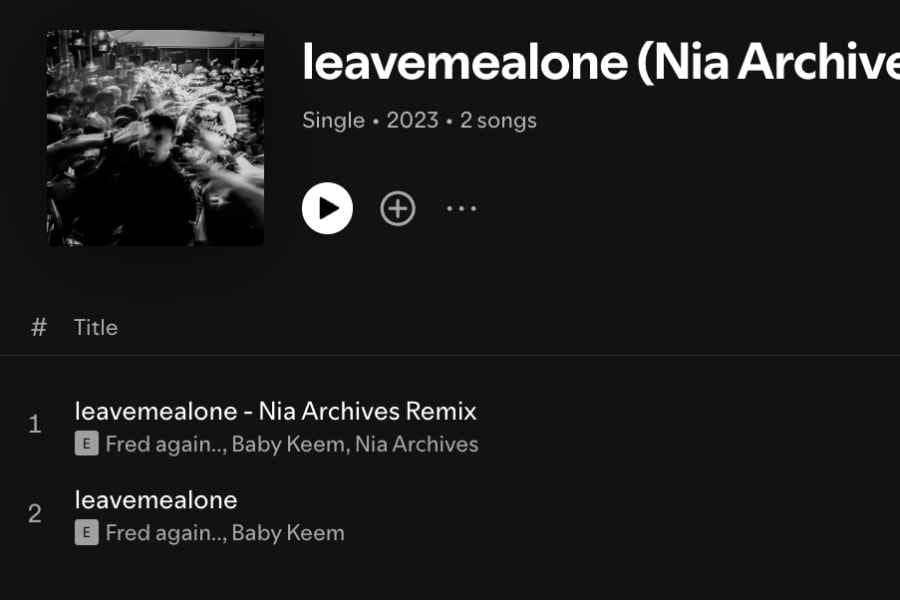
A single is a release built around one primary song.
Características de un soltero:
- Track count: Usually 1–3 tracks
- Duration: Typically under 10–15 minutes total
- Focus: One main track (sometimes with remixes or alternate versions)
Why artists release singles:
- Promote one strong song
- Stay active on streaming platforms
- Build momentum over time
2026 Insight:
For new & independent artists, singles are the most effective growth strategy. Frequent releases help you stay visible in algorithms like Release Radar and Discover Weekly. If you’re deciding between formats, it’s worth understanding why independent artists often focus on singles over albums before committing to a larger project.
¿Qué es un PE?
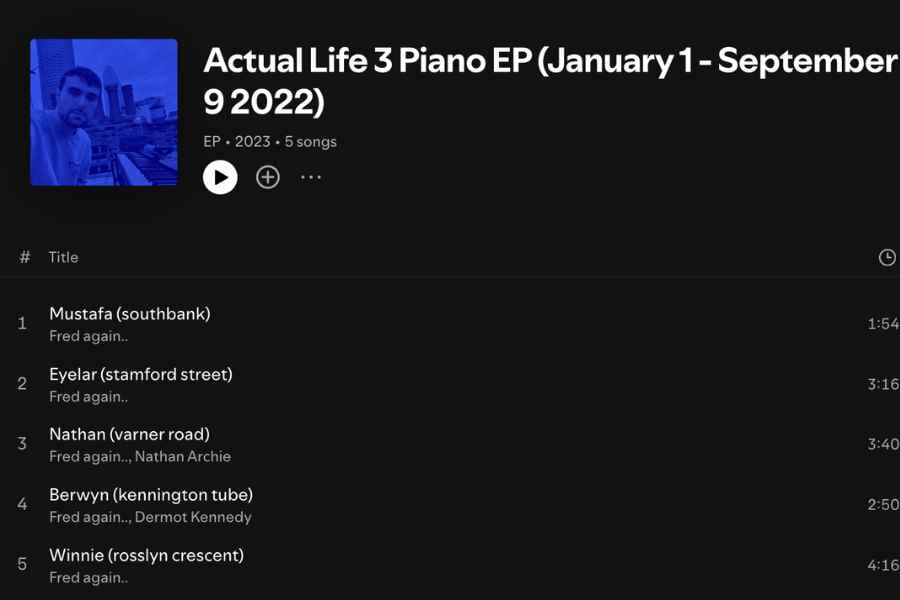
An EP (Extended Play) sits between a single and an album.
Características de un PE:
- Track count: Usually 4–6 tracks
- Duration: Around 15–30 minutes
- Purpose: A small, cohesive collection of music
Why artists release EPs:
- Showcase range without committing to a full album
- Introduce a new sound or era
- Group songs with a shared vibe
EPs are often the best middle ground for emerging artists who want to go deeper than singles.
¿Qué es un álbum?
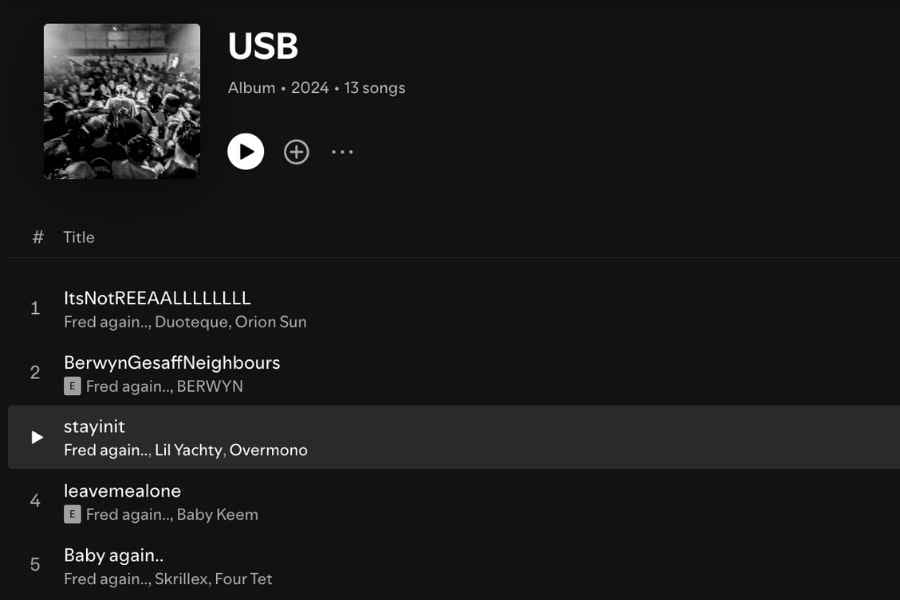
An album (LP) is a full-length project.
Características de un álbum:
- Track count: Typically 7+ tracks
- Duration: Usually 30 minutes or longer
- Purpose: A complete artistic statement
Why artists release albums:
- Tell a bigger story
- Create a major moment in their career
- Deliver a cohesive body of work
Albums still carry weight, but they require significantly more time, budget, and strategy.
How Spotify and Distributors Classify Releases
This is where things matter most for artists today.
Most platforms follow general rules like:
- Single: 1–3 tracks AND under 30 minutes
- EP: 4–6 tracks AND under 30 minutes
- Album: 7+ tracks OR over 30 minutes
Important: Runtime can override track count.
For example:
- A 2-track release over 30 minutes may be treated as an album
- A 6-track release over 30 minutes may also be considered an album
Before you release anything, make sure you understand how to choose the right music distributors for your next release, since they ultimately control how your project is delivered and categorized on platforms like Spotify.
Why Release Format Matters More Than You Think
Choosing between a single, EP, or album affects more than just labeling.
1) Streaming Performance
- Singles = more frequent opportunities for algorithm exposure
- Albums = attention split across multiple songs
2) Audience Growth
- Singles are easier for new listeners to engage with
- EPs and albums build a deeper fan connection
3) Marketing Strategy
- Singles = consistent content
- EPs = mini campaign
- Albums = full rollout
How to Choose the Right Format For Your Music
Decidir si publicar un sencillo, un EP o un álbum depende de varios factores, como la fase en la que se encuentre tu carrera, tu presupuesto y tus objetivos artísticos.
Primeros años de carrera:
Single: Ideal para artistas noveles que buscan causar impacto con un tema destacado. Es una buena manera de presentarse al público sin abrumarlo.
EP: Útil para mostrar tu versatilidad y establecer una conexión sustancial con los oyentes. Proporciona una introducción más amplia a tu música.
Carrera establecida:
Sencillo: Puede mantener al público enganchado entre proyectos más grandes. También es eficaz para experimentar con nuevos sonidos.
EP: Los EP sirven como adelanto de próximos álbumes o como forma de explorar proyectos paralelos o nuevos estilos sin la presión de un álbum completo.
Álbum: Ideal para hacer una declaración artística significativa y profundizar en la conexión con el público. También proporciona material de sobra para giras y campañas promocionales.
Consideraciones presupuestarias:
Single: El más rentable y rápido de producir.
EP: Inversión moderada con más contenido que un sencillo.
Álbum: Requiere la mayor inversión económica y de tiempo, pero ofrece el mayor rendimiento artístico y comercial.
Common Mistakes Artists Make
Releasing an album too early
Without an audience, albums often underperform.
Treating EPs like leftover songs
An EP should feel intentional, not random.
Ignoring strategy
The format matters less than how you release it.
Reflexiones finales
Understanding the difference between a single, an EP, and an album isn’t just about definitions; it’s about making smarter release decisions.
- Singles build momentum
- EPs build identity
- Albums define eras
If you choose your format intentionally, you’ll give your music the best chance to grow and connect with the right audience. Once you’ve decided on your format, the next step is execution. This song release checklist for artists will help you plan your rollout properly and avoid common mistakes.
FAQS
¿Un EP es técnicamente un álbum?
Técnicamente, un EP no se considera un álbum. Es más corto que un álbum de larga duración, pero más largo que un sencillo. Un EP suele tener entre 3 y 5 canciones, mientras que un álbum suele tener 8 o más.
¿Qué hace que un EP no sea un álbum?
Un EP no se considera un álbum principalmente por su duración y el número de pistas. Un EP suele tener entre 3 y 5 canciones y durar entre 15 y 30 minutos, mientras que un álbum suele tener 8 o más canciones y durar entre 30 minutos y más de una hora.
Los EP suelen utilizarse para ofrecer a los oyentes una muestra de la nueva música sin el compromiso de un álbum completo, lo que los convierte en una excelente forma de que los artistas publiquen música con más frecuencia.
¿Es mejor publicar singles o álbumes?
Dependiendo de tus objetivos, puedes elegir entre singles o un álbum. Los singles mantienen el interés del público con lanzamientos frecuentes y son más fáciles de promocionar.
Los álbumes permiten una expresión artística más profunda y pueden generar más ingresos y atención mediática. Los artistas noveles pueden ganarse a su público con sencillos, mientras que los consagrados pueden tener más repercusión con álbumes.
Con ambos puedes dar a conocer tu trabajo y mantener el interés de tus seguidores.
¿Es mejor un EP que un álbum?
Un EP no es necesariamente mejor que un álbum; depende de tus objetivos. Los EP permiten lanzamientos más frecuentes y experimentación, dando a los oyentes una muestra de tu música.
Los álbumes ofrecen una expresión artística más profunda y pueden tener un mayor impacto. La mejor opción depende de lo que quieras conseguir con tu música.
EP frente a LP
Un EP (Extended Play) es más corto que un LP (Long Play, o álbum). Los EP suelen tener entre 4 y 6 canciones y duran entre 15 y 30 minutos, mientras que los LP tienen 8 o más pistas y son más largos.
¿Quiere promocionar su música?
Utilice nuestros servicios Spotify Playlist Submissions o TikTok Promotion.